
The 1930s marked one of the most dramatic periods in the history of the United States of America. The Wall Street financial crash of 1929, followed by the Great Depression, and the rise of organized crime fueled by Prohibition, are just some elements of a profound social and economic crisis that undermines the very idea of capitalism and the free market.
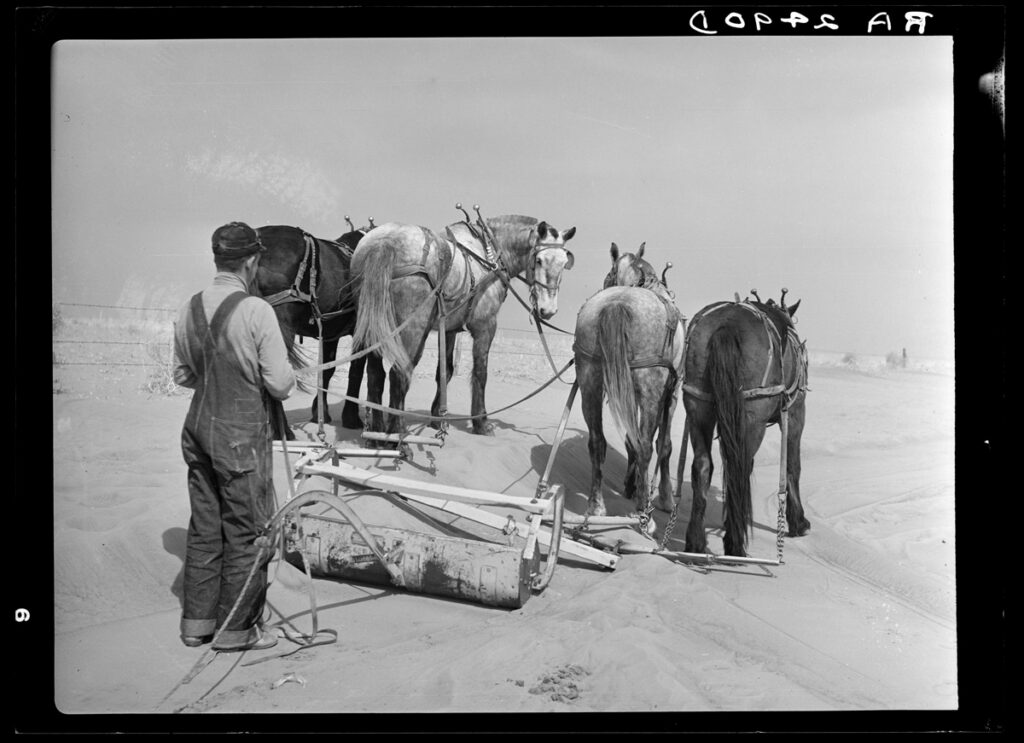
The American Dream, until then a powerful magnet for all those aspiring to change their lives, loses its shine. Lines of unemployed people fill the streets of major cities, industry magnates ruined overnight commit suicide, and the failure of companies and banks dominates the front pages of newspapers worldwide. It is a domino effect that inevitably strikes at the very heart of the country’s spirit: the agricultural world. Farmers, suddenly, not only suffer from the cutbacks in credit and bank loans but also face what seems like a biblical punishment in every respect.
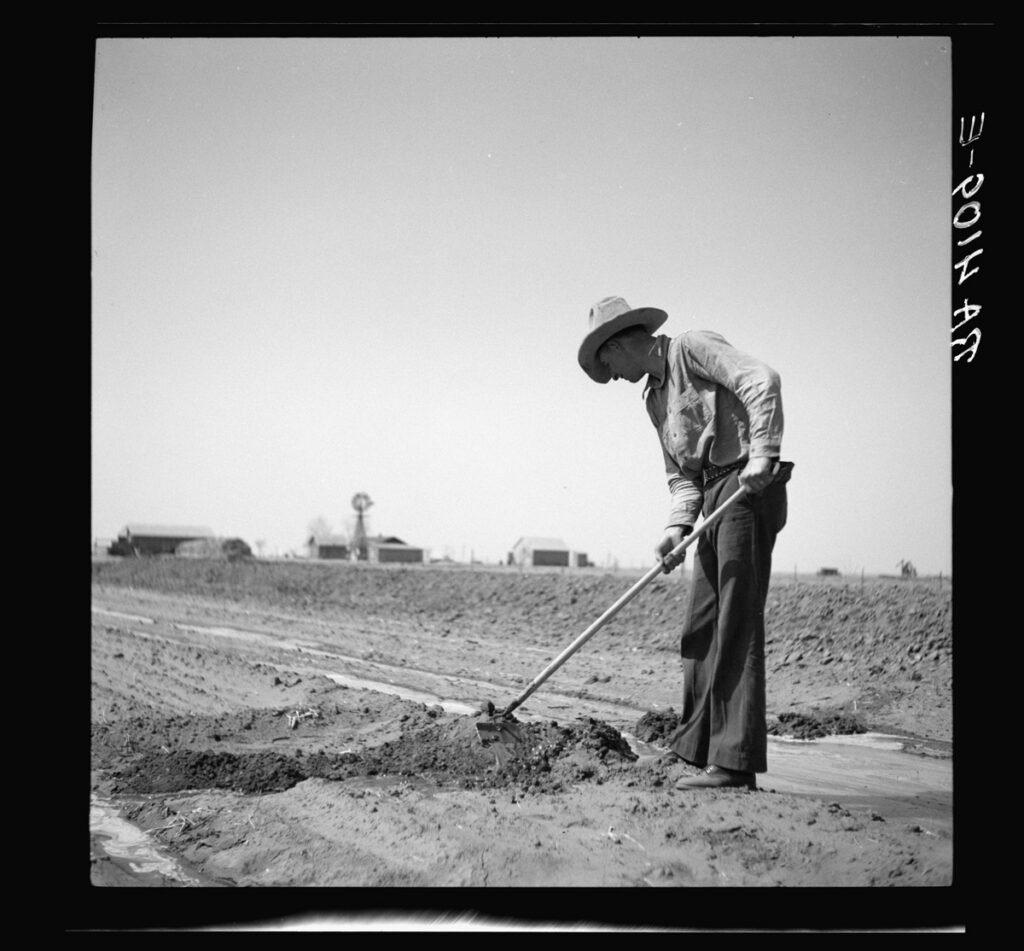
Between 1930 and 1939, the central plains, especially those located among the less developed southern states, were struck by a series of extraordinarily powerful windstorms that multiplied the disastrous effects caused by the prolonged drought. Cultivated lands turned into barren wastelands, with thousands of square kilometers transformed into an endless expanse of dust, which, lifted by the wind, covered people and things like a deadly blanket. The desperate efforts of the population to contain the damage were in vain. The situation was so emotionally intense that it is still used today by American cinema, as seen in Christopher Nolan’s film Interstellar, where the event is reinterpreted with a science fiction twist in the same area that was the scene of the historical desertification. The places affected by this environmental disaster were called the Dust Bowl at the time, a bowl of dust. From Oklahoma to New Mexico, from Arizona to Texas, from Utah to Iowa, from Nevada to Nebraska, an uninhabitable hell was created that everyone sooner or later tried to escape.
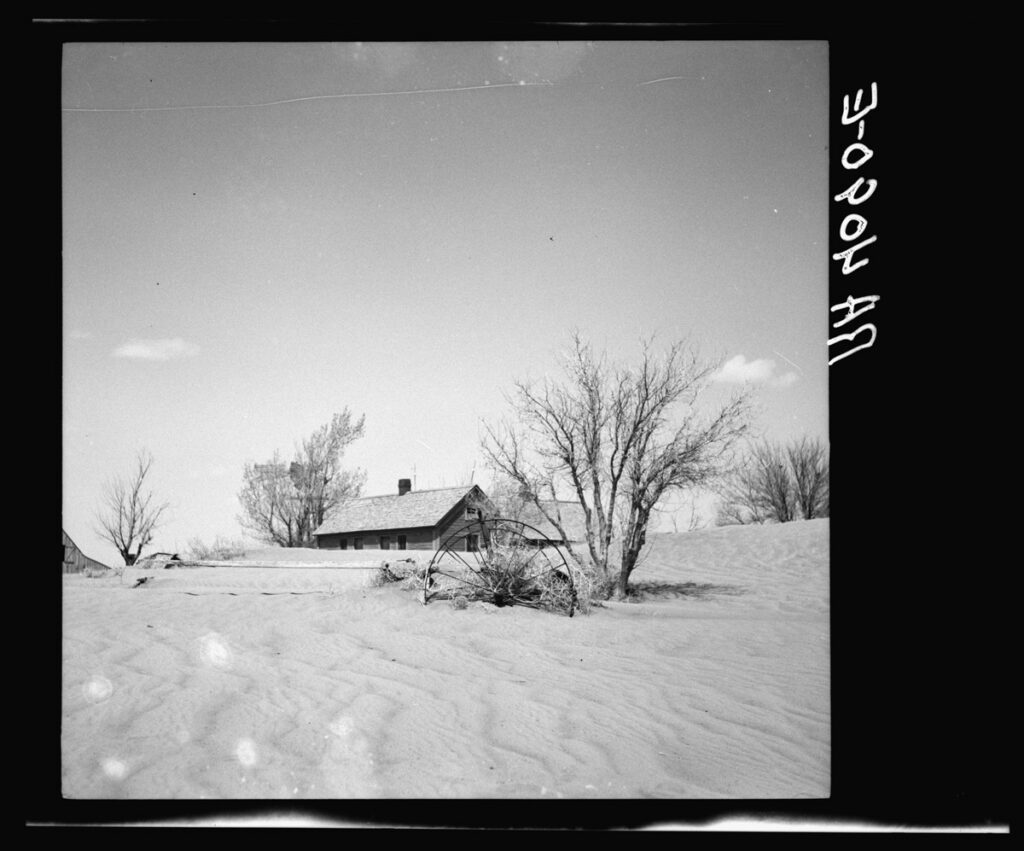
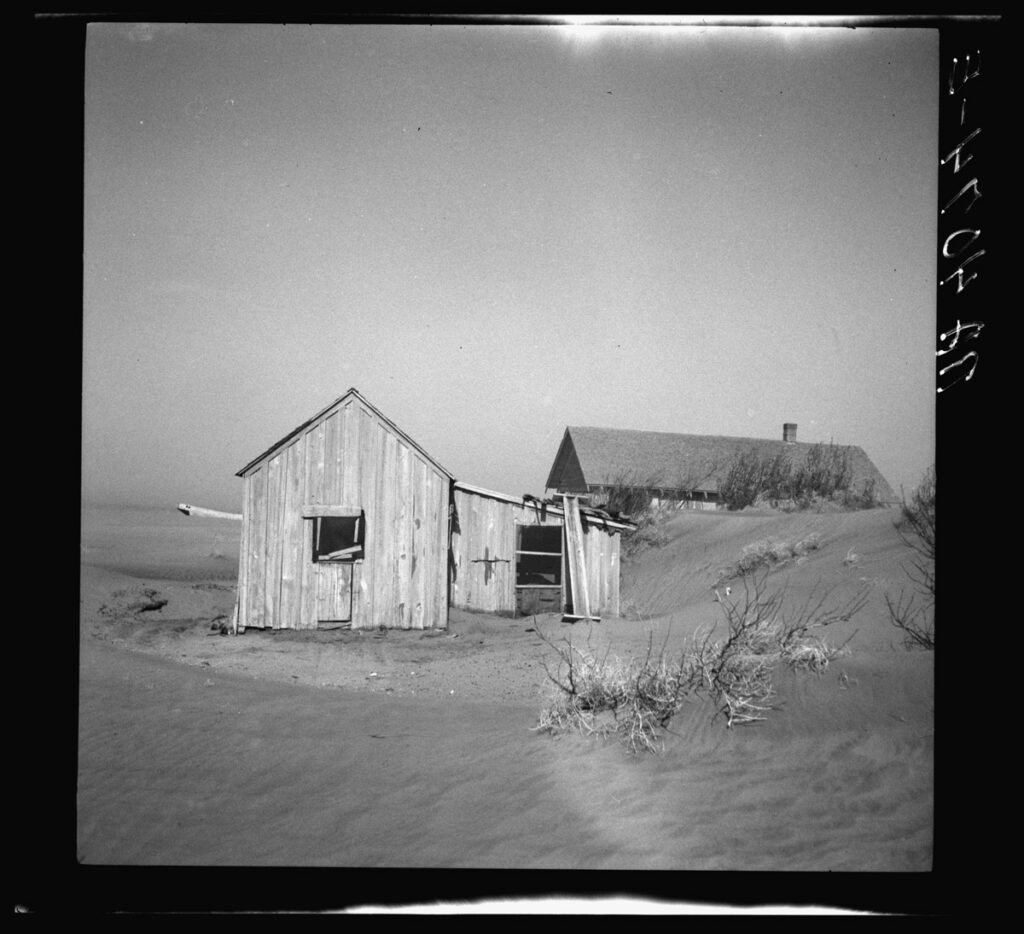
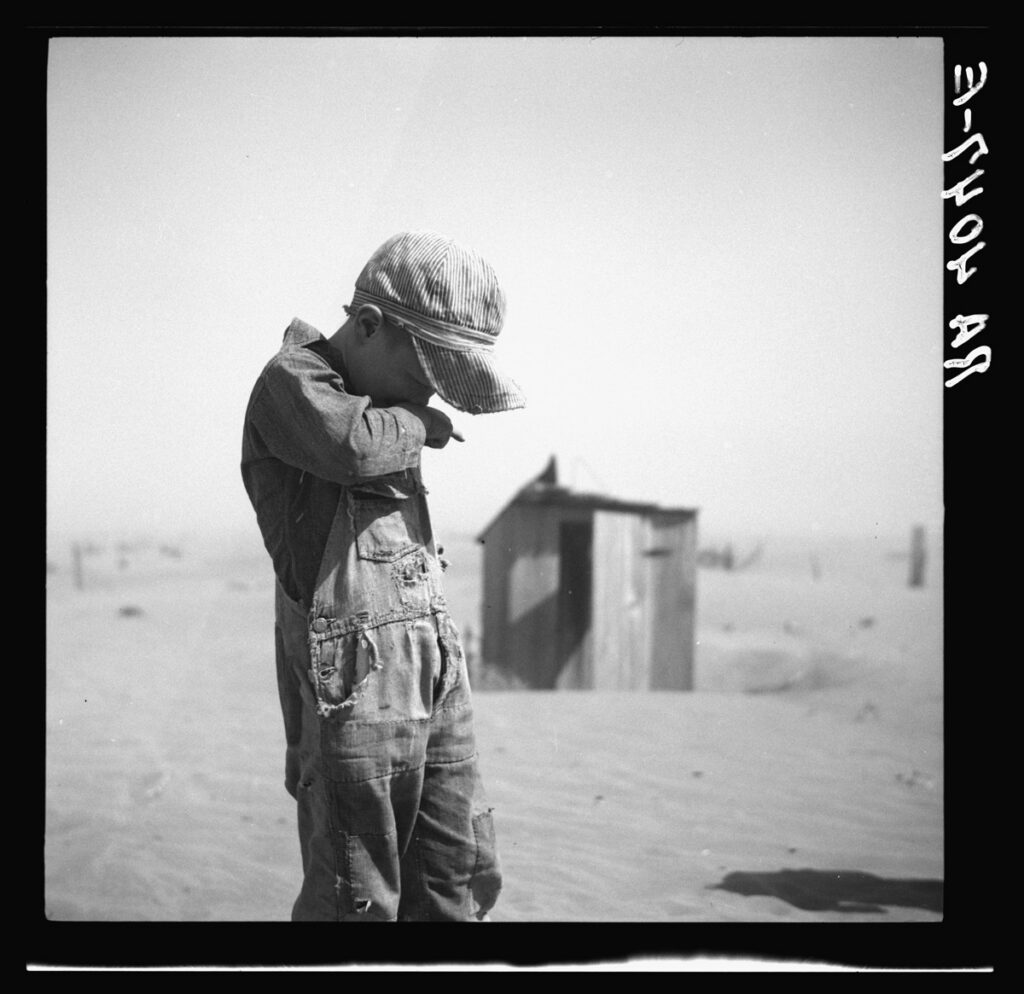
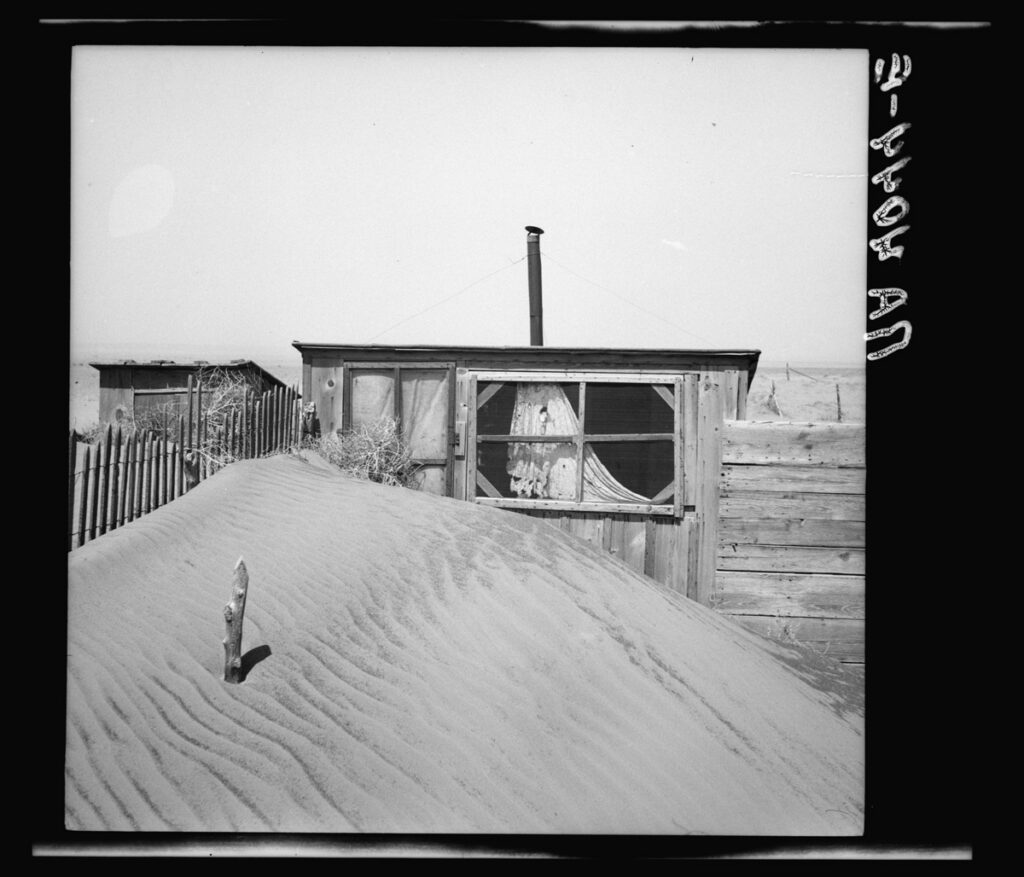
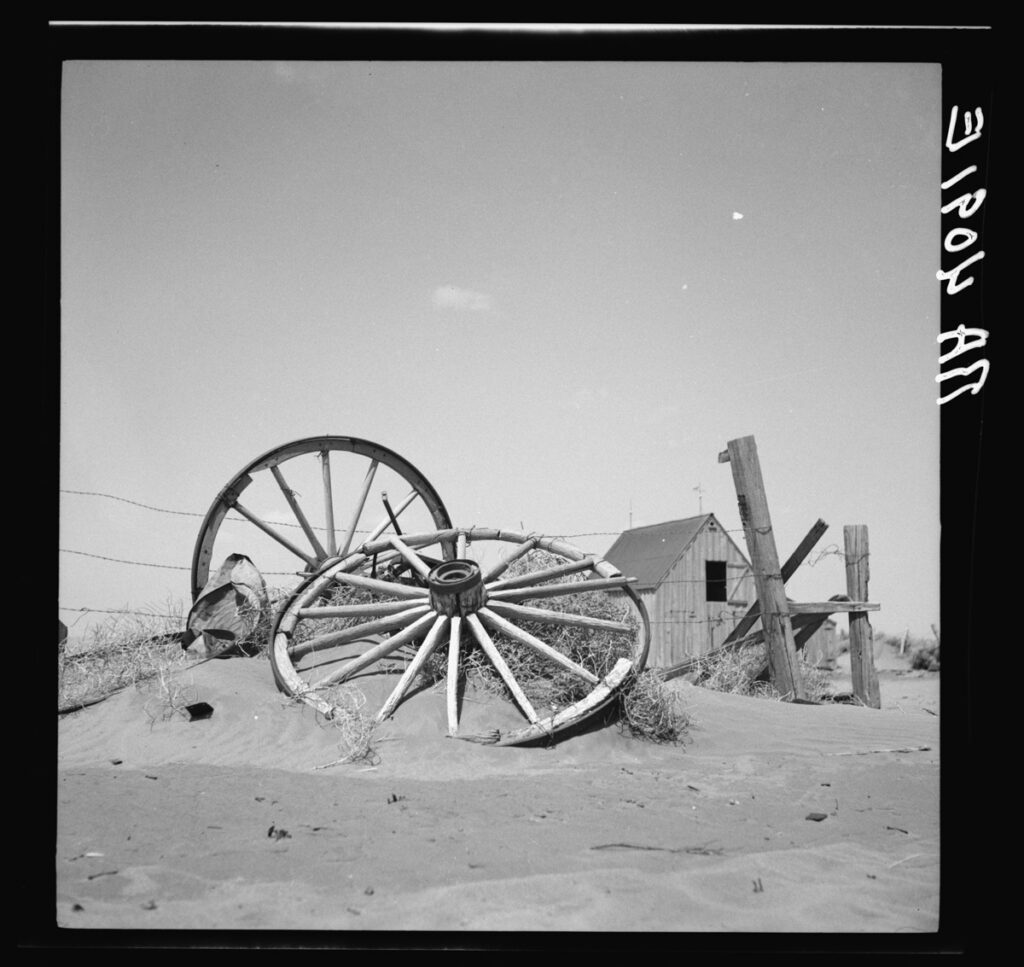
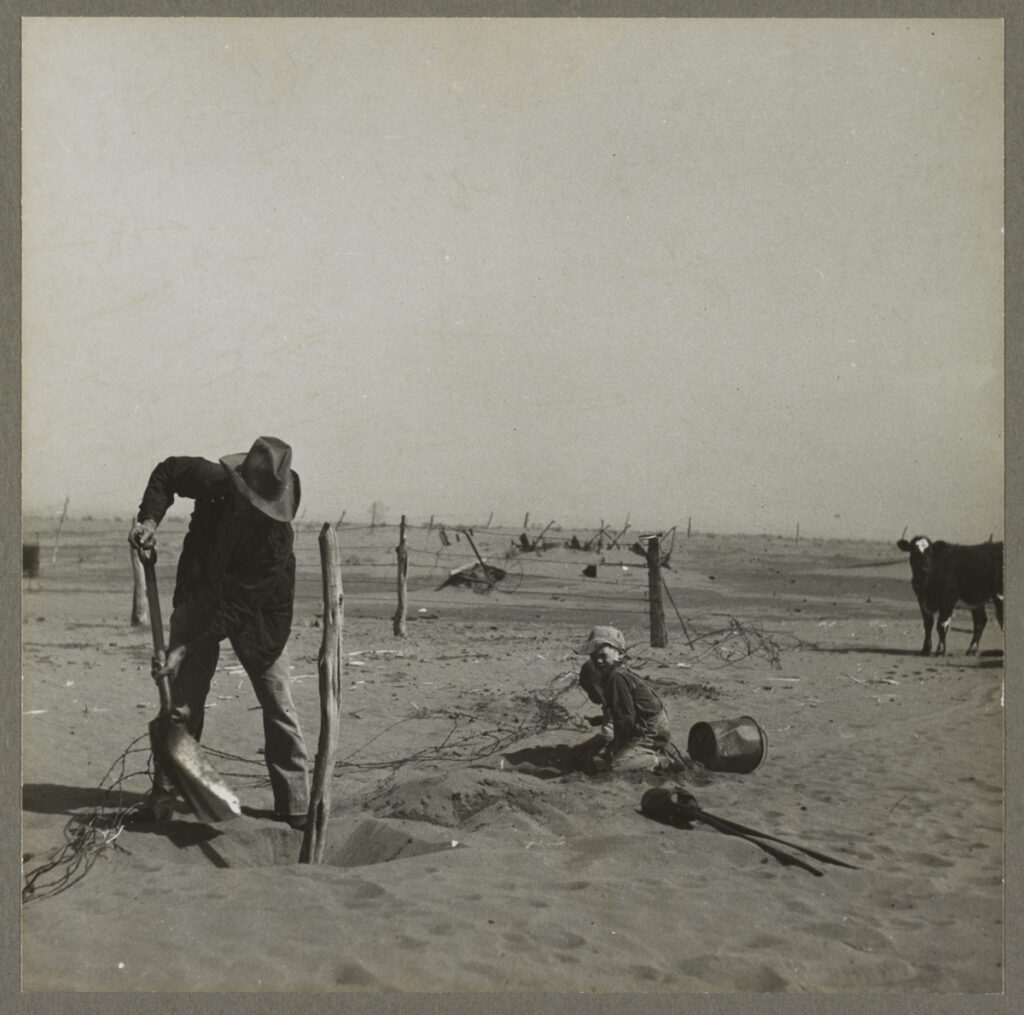
Although ecology and environmental awareness were not yet discussed at the time, there was a feeling that the natural balance had been disrupted. The green plains subjected to intensive monoculture could not withstand the drought and had become irreparably weakened. The area was already economically depressed, inhabited mostly by small landowners and seasonal workers. From these places, a biblical exodus began: thousands of families loaded their meager belongings onto makeshift vehicles and headed west in search of any kind of job, hoping to start a new life. Their coveted destination was the shining California, described as a lush Garden of Eden where every dream could come true. A century after the gold rush, once again the golden state attracts dreamers and desperate people, seeking not so much possible wealth as a piece of bread to feed themselves. This population movement caused social unrest and violent reactions from those who felt threatened by the newcomers, who were seen as a danger and likened to packs of animals. Cities barred their entry, redirecting them to large tent camps on the outskirts of urban areas. Violent punitive raids to force them to move elsewhere were not uncommon, and police and private vigilantes persecuted them. No one wanted this mass of desperate people willing to work as laborers for meager wages.
It is a violent and desperate epic masterfully told through the books of John Steinbeck and the songs of Woody Guthrie. A tragedy before which politics cannot remain indifferent. President Franklin Roosevelt and his administration implemented extraordinary measures aimed at supporting both those who decided to leave the devastated area and those who stubbornly chose to remain attached to their land. This plan also included an extraordinary film and photographic documentation operation entrusted to great professionals in the field. Thanks to the crews sent to the location, we today know the faces of those who lived through that drama. These are striking images of people who, despite extreme poverty, show great dignity and remarkable strength of spirit. For the first time, representatives of what is considered the most advanced society on the planet, the WASPs, are confronted with tragedy, a vision that anticipates those of European populations during World War II. The photographers who powerfully and empathetically portrayed this story have become legendary. The images by Dorothea Lange, Arthur Rothstein, and Russell Lee represent one of the highest points of documentary photography of those years, aiming to foster solidarity and social awareness toward the most vulnerable. It is a precise symbolic choice that Roosevelt’s New Deal proposes to a nation determined to react to the depression but that, unfortunately, would only recover thanks to the enormous wartime effort of World War II. With the cinematic version of Steinbeck’s book, Hollywood also presents the exemplary model of the strong moral fiber of the American people, directed by John Ford, a Dust Bowl victim who fights not to succumb and to give his family a better future.